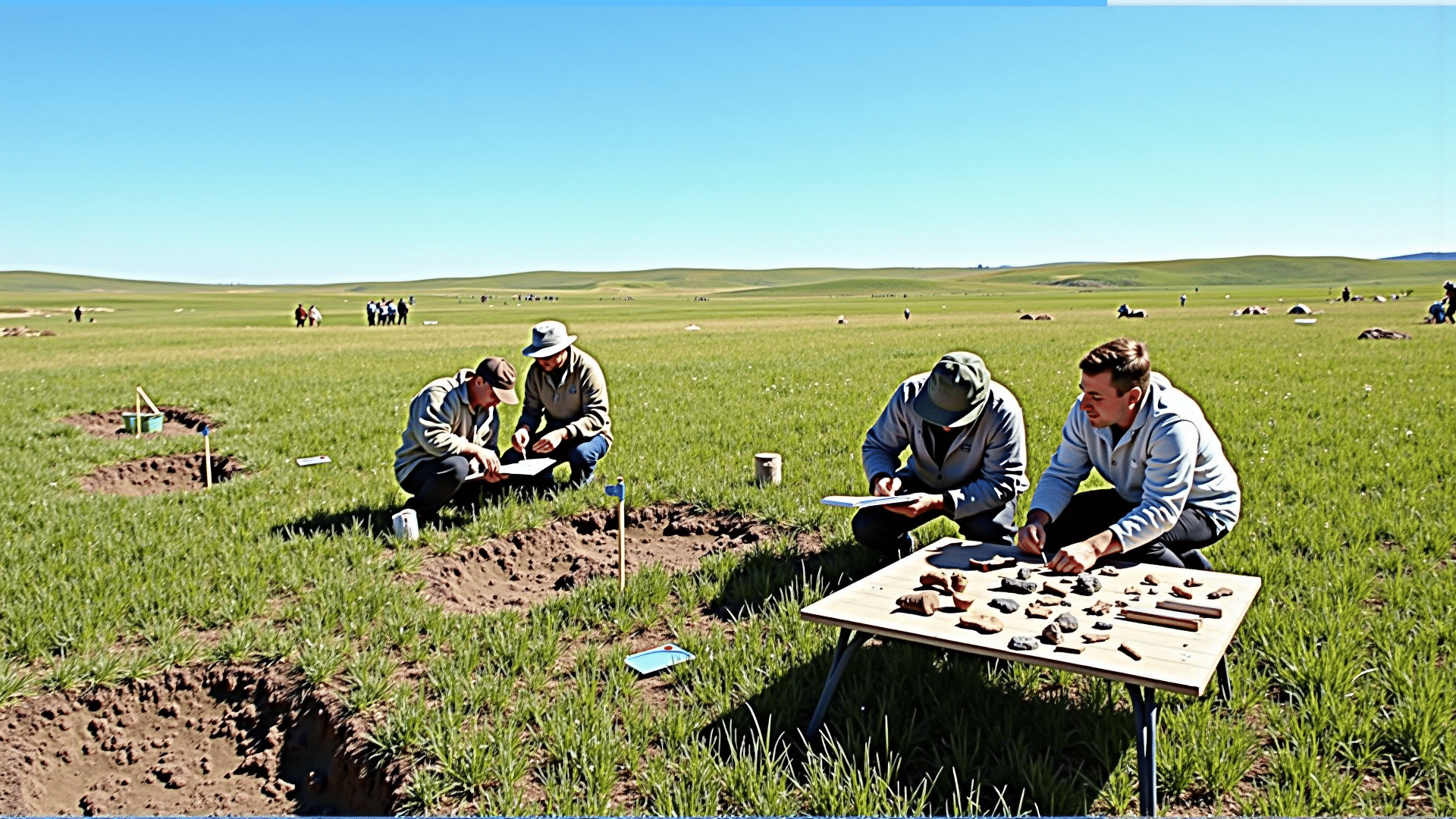
The Canadian Plains, with their vast stretches of grasslands and scenic rivers, hold stories that date back thousands of years. Beneath the open skies and grazing lands, archaeologists and ethnographers have discovered traces of ancient civilizations that once thrived in this region, leaving a lasting influence on contemporary local traditions.
Long before European settlers arrived, the Canadian Plains were home to diverse Indigenous groups. These communities developed complex societies adapted to the unique challenges and opportunities presented by the landscape. Archaeological sites reveal rich cultural tapestries woven by tribes such as the Blackfoot, Cree, and Assiniboine. These groups left behind artifacts and ceremonial sites that are invaluable in understanding their way of life.
Archaeological findings at Head-Smashed-In Buffalo Jump in present-day Alberta, for instance, provide clues into the sophisticated hunting practices of the Plains people. For over 5,500 years, this site was used to hunt bison, demonstrating not only the survival strategies but also the intricate social cooperation and planning skills required in their communities. The buffalo was central to the Plains people, influencing both their sustenance and spiritual lives, as displayed in artistic expressions found on tools and cave paintings.
Ethnographic studies complement these archaeological discoveries, offering profound insights into the culture, traditions, and social structures of these early inhabitants. Oral histories have been instrumental in shedding light on their worldviews, values, and relationship with the natural environment. These narratives reveal a deep respect and understanding of nature, which shaped their cultural practices, from the construction of tipis to the organization of family and tribal units.
Artistic expressions, reflected in beadwork, quill embroidery, and pottery, tell stories of identity and continuity. Each element and design bore cultural significance, often symbolizing clan lineage or spiritual beliefs. Such traditions have been preserved and continue to influence contemporary Indigenous art and crafts, which are celebrated both locally and internationally.
Exploration of these ancient civilizations also illuminates how they influenced today’s cultural celebrations and institutions. Many Indigenous festivals and ceremonies remain vibrant, weaving ancestral traditions with modern expressions to keep their cultural heritage alive. These events provide not only a connection to the past but also a space for education and cultural sharing.
The legacy of these ancient communities is evident in today's practices and beliefs on the Canadian Plains, illustrating resilience and adaptation. As archaeological endeavors continue, coupled with ethnographic research, a richer understanding of the contributions and sacrifices of these civilizations will be embraced, reminding all of the enduring impact of history on the present day.